
Piper PA-24
Aircraft Manufacturer: Piper
Model: PA-24
About the Piper PA-24
The Piper PA-24 holds Piper's 36th-largest active fleet, with more than 300 aircraft still on the U.S. civil registry. That standing accounts for less than 1% of Piper's active registered fleet. Set against every registry record the type has ever held, about half of those airframes have since been deregistered.
Measured over its own FAA-registration exposure, the PA-24 records about 2.4 accidents per 1,000 aircraft-years. Placed in a cohort of the same aircraft type, engine class, and seat range, the PA-24 sits at about one in ten by accident rate, where a higher percentile means a higher accident rate. Of the 18 accidents recorded for the type, 2 were fatal.
Aircraft Details
| Manufacturer | Piper |
|---|---|
| Manufacturer Serial Number | 7102402 |
| Model | PA-24 |
| Category | Land |
| Aircraft Type | Fixed wing single engine |
| Cruise Speed | 120 MPH / 104 knots |
| Weight | Class 1 (Up to 12,499 lbs gross take off weight) |
| Engine Type | Reciprocating |
| Number of Engines | 1 engine |
| Number of Seats | 4 seats |
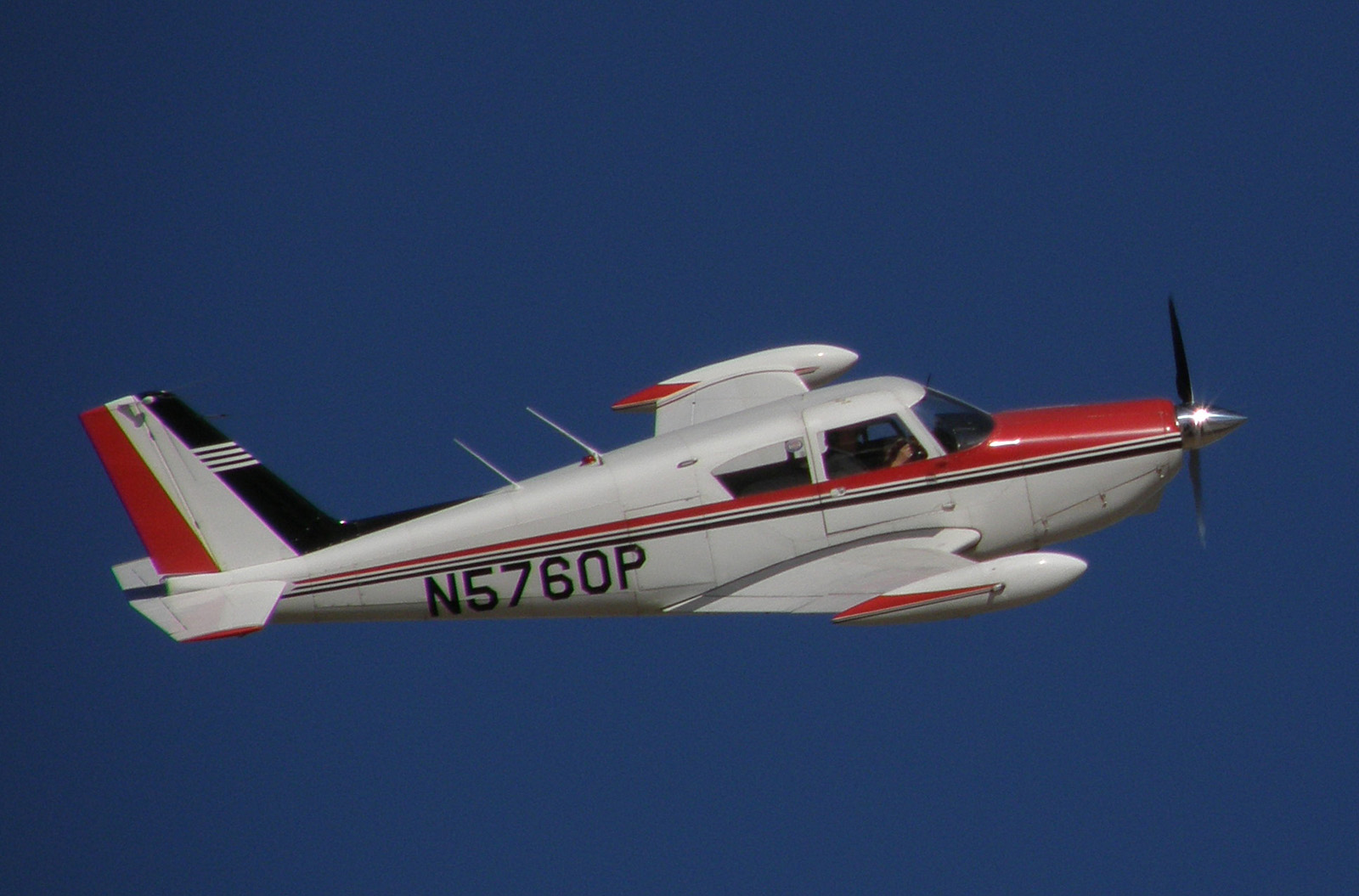 Photo: Alan Radecki Akradecki —
cc-by-sa-4.0
via Wikimedia Commons
Have a personal photo of the Piper PA-24? Contact us.

Safety Analysis
Composition of NTSB accident records for this model in general-aviation operations (FAR Part 91 and 137), based on NTSB data as of May 1, 2026. It's a breakdown of recorded accidents rather than a safety rating, and types with significant non-GA operation (such as Part 135) may be under-represented.
Accidents are identity-confirmed against FAA registration records (two independent sources).
10 exact, 8 recovered, 0 provisional
MethodologyTotal recorded general-aviation accidents within the analyzed period.
2 fatal accidents.
11.1% of recorded accidents were fatal.
Active aircraft fleet size contributing to the exposure data.
7,428
Aircraft-years of FAA registration exposure (2008–present).
Within its peer cohort
Within this model's peer class (same aircraft type, engine class, and seat range), comparison of its share of recorded NTSB accidents to its share of FAA registration exposure (aircraft-years since 2008).
This is a share comparison, not flight-hours adjusted, so a model flown more per airframe than its peers will show an accident share above its exposure share even if its per-hour safety is average. Methodology →
Accidents by year
Recorded NTSB general-aviation accidents per calendar year, derived directly from the NTSB accident database. Each bar shows the accidents that occurred in that year. Methodology →
Phase of flight
Which phase of flight each accident occurred in, as coded by the NTSB. Most accidents happen in the phases where most flying time is concentrated, so this isn't a measure of which phase is most dangerous.
Finding category
Top-level NTSB cause category, from the coded investigation findings. An accident often has more than one finding, so totals here can exceed the recorded accident count.
Injury severity
NTSB classification of the worst injury in each accident: None, Minor, Serious, or Fatal. Each accident counts in exactly one severity.
Operating-rule mix (all parts): 091 (18)· NUSN (1)
Recorded Accidents
All 18 recorded NTSB general-aviation accidents for this model, most recent first.
| Date | Location | Tail | Damage | Highest injury | Phase of flight | Finding categories |
|---|---|---|---|---|---|---|
| Vineyard, UT | N7946P | Substantial | None | Enroute | unknown | |
| Hugo, OK | N7059P | Substantial | None | Landing | Personnel issues, Aircraft | |
| Honesdale, PA | N6121P | Substantial | None | Taxi | Aircraft, Personnel issues, Environmental issues | |
| Loveland, CO | N5585P | Substantial | Minor | Takeoff | Personnel issues, Aircraft, Environmental issues | |
| Monticello, NY | N5779P | Substantial | None | Landing | Personnel issues, Environmental issues, Aircraft | |
| Paris, ID | N6334P | Substantial | Serious | Emergency descent | Not determined | |
| Angel Fire, NM | N7742P | Substantial | Fatal | Takeoff | Personnel issues, Environmental issues, Aircraft | |
| Reno, NV | N5028P | Substantial | None | Landing | Aircraft | |
| New Braunfels, TX | N7386P | Substantial | Minor | Approach | Not determined | |
| Springfield, MO | N5138P | Substantial | None | Landing | Personnel issues, Aircraft, Environmental issues | |
| Houston, TX | N5661R | Substantial | Serious | Approach | Aircraft, Environmental issues | |
| Homestead, FL | N55UA | Substantial | None | Prior to flight | Personnel issues, Aircraft | |
| Stratford, CT | N7708P | Substantial | None | Landing | Aircraft, Personnel issues, Environmental issues | |
| Charles City, IA | N5152P | Substantial | None | Enroute | Personnel issues, Aircraft, Environmental issues | |
| Watertown, WI | N6580P | Substantial | None | Landing | Aircraft, Personnel issues | |
| Prescott, AZ | N6304P | Substantial | Fatal | Initial climb | Aircraft, Personnel issues, Environmental issues | |
| Urbana, OH | N7660P | Substantial | None | Prior to flight | Environmental issues, Aircraft, Personnel issues | |
| Bountiful, UT | N146P | Substantial | None | Landing | Personnel issues, Aircraft |
-
🡐 Previous Model
PA-23-250 E -
Next Model 🡒
PA-24-180